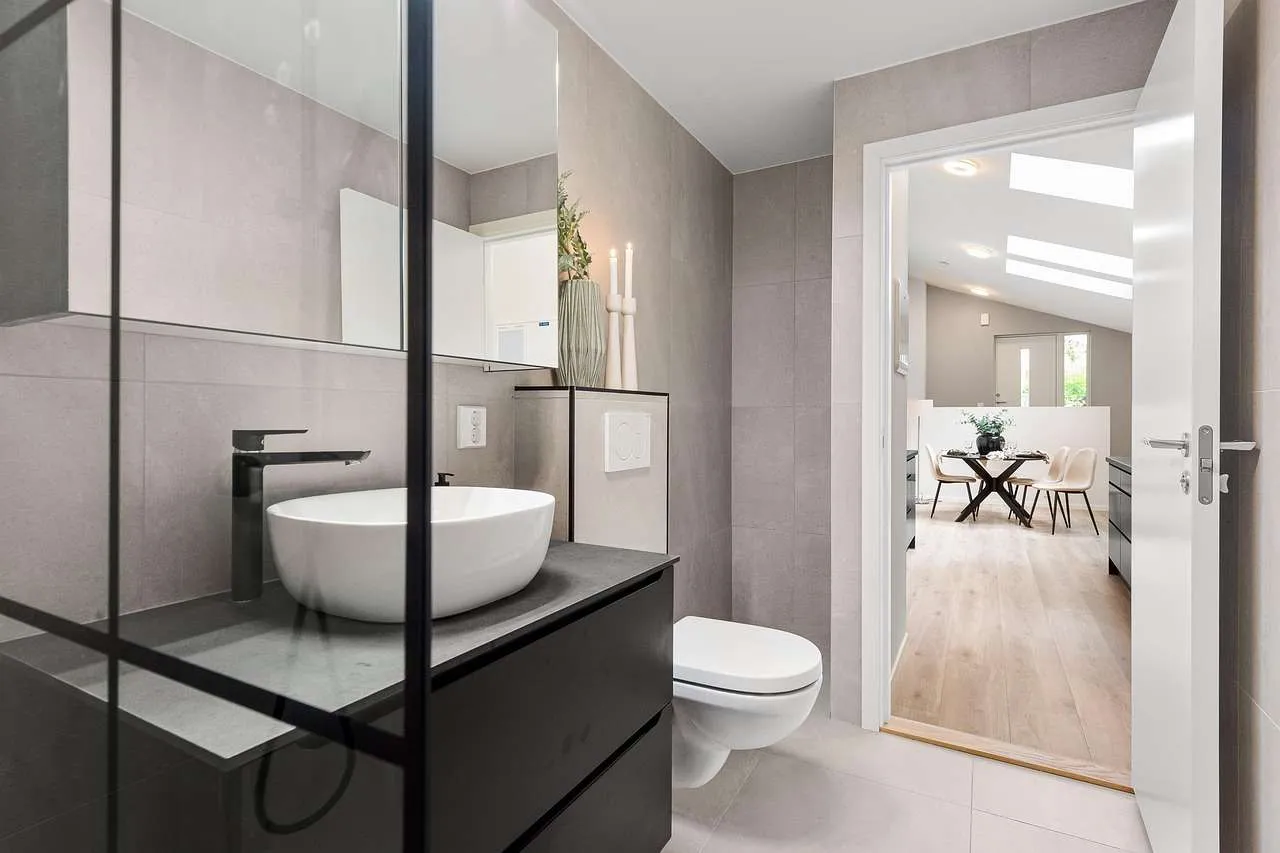
Small bathrooms pose a design challenge, but they also offer a canvas for clever organization and smart aesthetics. With a focus on layout efficiency, light-enhancing finishes, and targeted storage, you can create a space that feels larger than its actual dimensions. This guide draws on proven design principles and practical experience from real-world renovations to help you choose layouts, fixtures, and finishes that maximize every square inch while staying within budget.
Smart layout ideas for tiny bathrooms
One-wall layouts and universal efficiency
In a one-wall plan, all fixtures line up along a single wall, leaving the opposite side open for movement and visual flow. Use a compact vanity, a corner shower, and a slim toilet positioned to minimize traffic interruptions. This configuration reduces wasteful space and makes cleaning easier, while maintaining comfortable clearances for daily routines.
Fold-away elements and multi-functional fixtures
Think folding doors, retractable shelves, and mirror cabinets that hide bulk behind a slim profile. A recessed medicine cabinet saves countertop space, and a fold-down vanity with a shallow depth provides essential sink access without crowding the room. For families, consider a compact tub-to-shower conversion with a slim sliding door to keep transfers simple and the space airy.
Color, materials, and lighting that open up spaces
Light colors and reflective finishes
Opt for pale wall tones such as soft whites, warm beiges, or cool light grays. Pair these with high-gloss or semi-gloss tiles and mirrors to bounce light around the room. Light-reflective surfaces visually expand the space and reduce the perceived clutter of small rooms.
Layered lighting and ceiling height tricks
A layered lighting approach—ambient, task, and accent lighting—creates depth and reduces harsh corners. Recessed lights near the shower, a vanity strip, and a small ceiling fixture can illuminate without creating visual weight. If possible, maximize natural light with a frosted window or a skylight, which dramatically enhances openness.
Storage solutions that free up space
Built-in niches and recessed shelving
recessed niches in the shower and above the toilet provide storage without protruding surfaces. Use these for toiletries and towels to keep countertops clear and maintain a clean, uncluttered look.
Floating vanities and wall-mounted storage
A floating vanity creates the illusion of more floor space and makes cleaning beneath easier. Choose a vanity with a shallow basin and add wall-mounted drawers or open shelving above to keep daily essentials organized without crowding the footprint.
Over-toilet storage and corner shelving
Strategic shelves above the toilet or a compact cabinet mounted on the wall offer storage for linens and cleaning supplies without invading floor space. Corner shelves in dry zones maximize every inch with minimal visual impact.
Sanitary fixtures and fittings for compact bathrooms
Walk-in showers vs curved shower doors
Walk-in showers with a frameless or slim-profile door create a seamless field of view and register as visually larger. If space is extremely tight, a curved shower door or a quadrant enclosure can reduce the area required while maintaining full access and minimizing splash.
Compact toilets and wall-hung options
Choose a compact or elongated bowl in a short projection to save depth. Wall-hung toilets reduce visible floor area and improve cleaning ease, especially in small rooms where every inch matters.
Plan, budget, and quick decision guide
Begin with a precise measurement and a prioritized wish list. Create a simple decision matrix listing must-haves (shower type, vanity depth, storage) versus nice-to-haves (heated towel rack, smart mirror). Allocate a contingency fund for unexpected plumbing or drywall work, typically 10–15% of the project budget. Source fixtures that balance slim profiles with durability, and choose materials that resist moisture and wear in a high-traffic area.
Space-saving options at a glance
| Option | Pros | Cons |
|---|---|---|
| Walk-in shower with frameless glass | Feels larger, easy to clean | Can be pricier, drainage planning required |
| Curved corner shower enclosure | Saves space, reduces splash | Limited diameter, access may feel tight |
| Floating vanity | Creates openness, easier cleaning | Limited surface storage |
| Pocket door | Gives more clearance for fixtures | Installation can be complex |
| White and pale neutrals with reflective tile | Maximizes light, cohesive look | Shows dirt more easily without frequent cleaning |
The table above highlights practical trade-offs to help you select fixtures that fit your space and budget while maintaining style and usability. Pair any chosen option with well-planned storage and layered lighting to keep the room feeling open and functional.
In practice, the best small bathroom ideas are those that align with your daily routines, climate, and home architecture. Start with accurate measurements, choose fixtures that fit your floor plan, and then layer color, lighting, and storage to create a cohesive, inviting space that performs well in real life.
Conclusion, a well-executed small bathroom design blends efficiency with aesthetics. Prioritize layout, maximize light with reflective surfaces, add smart storage, and select compact fixtures that suit your needs. With careful planning and durable materials, a compact bathroom can feel expansive, organized, and comfortable for everyday use.