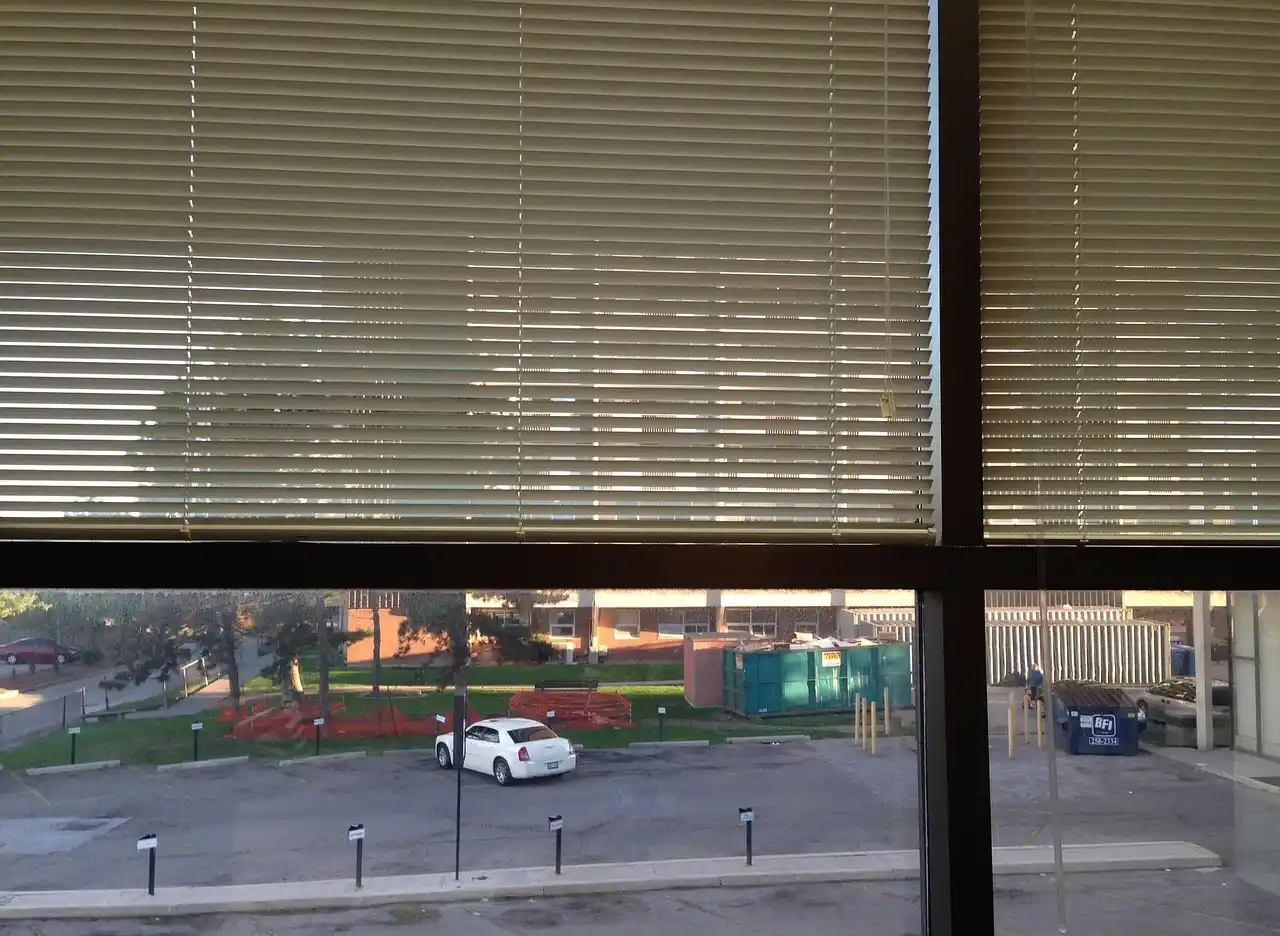
Choosing a home window tinting near me is not just about aesthetics—it's about comfort, energy savings, and protecting interiors from UV damage. This guide helps homeowners locate reputable local installers and make informed decisions.
Understanding home window tinting
Window tinting involves applying a thin film to glass to reduce heat, glare, and UV exposure. For residences, a good tint can create a more comfortable living space, protect furniture from fading, and lower energy bills. When you search for home window tinting near me, you’re looking for local providers who can assess windows, offer certified films, and deliver professional installation.
Key benefits
- Heat reduction: reduces solar heat gain, keeping rooms cooler in summer.
- UV protection: blocks up to 99% of harmful UV rays to protect furniture and skin.
- Glare control: minimizes glare on screens and in bright rooms.
- Privacy and security: increases privacy while maintaining outward visibility depending on film type.
- Energy efficiency: can lower cooling loads and save on energy costs.
- Aesthetics: enhances curb appeal with a clean, uniform look.
Tint types commonly used in homes
Different films suit different climates, budgets, and design goals. Here’s a quick overview:
Dyed film
Budget-friendly and good for reducing glare, but can fade over time.
Metalized film
Excellent heat rejection and durability, but may interfere with electronics and produce a reflective look.
Ceramic film
High performance, blocks heat and UV with minimal reflectivity; works well in sunny climates.
Hybrid and other options
Combination films that balance performance and price; often less reflective than metalized options.
What to consider when choosing a provider near you
When you search for home window tinting near me, evaluate:
- Licensing and insurance: ensure the installer is licensed and insured to protect against damage.
- Warranty: look for manufacturer warranty on film and workmanship warranty on installation.
- Film certification: verify the film meets safety and performance standards (e.g., UV rejection, shading percentage).
- Local reviews and portfolio: examine past installations in your area to judge quality.
- Local climate and daylight: a tint with high UV rejection is valuable in sunny regions.
Process and maintenance
Professional installation typically involves cleaning windows, measuring, cutting film, and careful application with heat-controlled tools. After installation, avoid ammonia-based cleaners for a few days to let the film cure. Regular care includes gentle cleaning and avoiding abrasive methods to prolong life.
Cost considerations and a quick comparison
Costs vary by window size, film type, and labor, but homeowners commonly see ranges from a few hundred to roughly a few thousand dollars for an entire home. To help you decide, review the table below that compares common tint types.
| Tint Type | Heat Rejection | UV Rejection | Privacy | Durability | Typical Cost (per window or project range) |
|---|---|---|---|---|---|
| Dyed | Low-Moderate | Good | Low-Moderate | Moderate | $150-$350 per window |
| Metalized | High | Excellent | Moderate | High | $200-$450 per window |
| Ceramic | Very High | Excellent | Moderate-High | Very Durable | $400-$800 per window |
| Hybrid | High | Very Good | Moderate | High | $250-$600 per window |
How to find the best home window tinting near me in your area
Use local search queries, check maps, compare quotes, and ask about local regulations. Get multiple estimates, request samples, and confirm installation timelines. A reputable local installer will provide clear upfront pricing, a written warranty, and post-installation care instructions.
Conclusion
Conclusion, by researching licenses, warranties, and local reviews, you can select a home window tinting near me provider who offers the right film for your climate, home style, and budget, delivering comfort, protection, and long-term value.