Choosing bathroom tiles is a blend of aesthetics, practicality, and durability. This guide provides expert, evidence-based insights into selecting bathroom tiles, understanding materials, exploring design ideas, and applying practical tips to ensure a beautiful, functional space. By focusing on moisture resistance, safety, and long-term maintenance, you can elevate any bathroom while protecting your investment.
Moisture, safety, and performance
Bathrooms are high-humidity environments. Tiles must resist water, be easy to clean, and safe to walk on when wet. Look for tiles with low water absorption (porcelain-grade) and a slip-resistance rating. For floors, choose a Dynamic Coefficient of Friction (DCOF) that meets or exceeds local codes for wet areas, and ensure grout lines are sealed to prevent staining and mold growth. Matching adhesives to the tile material and substrate is essential for long-term performance.
Tile materials: pros and cons
Ceramic tiles
Ceramic tiles are budget-friendly, widely available, and come in a vast range of colors and patterns. They’re generally moisture resistant and easy to cut, making them a popular choice for walls and shower enclosures. On floors, they’re durable for light-to-moderate traffic but may wear faster than porcelain in high-traffic bathrooms, so weigh your usage when planning layouts.
Porcelain tiles
Porcelain tiles are a denser, low-porosity option with superior water resistance and durability. They perform well on floors and in wet areas, resist staining, and maintain their appearance over time. The trade-off is higher cost and tougher cutting and installation, often requiring professional tools and expertise.
Natural stone tiles
Natural stone—such as marble, travertine, or slate—offers a premium, timeless aesthetic with unique veining and texture. Stone requires sealing, regular maintenance, and careful care to prevent staining and etching. Some stones are more porous than others, so select a stone suitable for your climate and bathroom conditions, and plan a maintenance schedule with a professional installer.
Glass and accents
Glass tiles brighten spaces by reflecting light and creating depth. They’re excellent for backsplashes and shower walls but can be slippery on floors and show water streaks or mineral deposits if not cleaned regularly. Use glass tiles as accents or borders to avoid overusing them in wet zones where safety matters most.
| Material | Pros | Cons | Ideal Use |
|---|---|---|---|
| Ceramic | Budget-friendly, broad color range | Less durable on floors, may require more maintenance | Walls, showers, light-traffic bathrooms |
| Porcelain | Durable, low water absorption, versatile | Higher cost, harder to cut | Floor and wall surfaces in wet rooms |
| Natural Stone | Luxurious look, unique veining | Sealing and maintenance required | Showers, spa-like baths, feature walls |
| Glass | Bright, modern, reflective surfaces | Can be slippery on floors, requires upkeep | Backsplashes, accents, minimal footprints on walls |
Design ideas and layouts
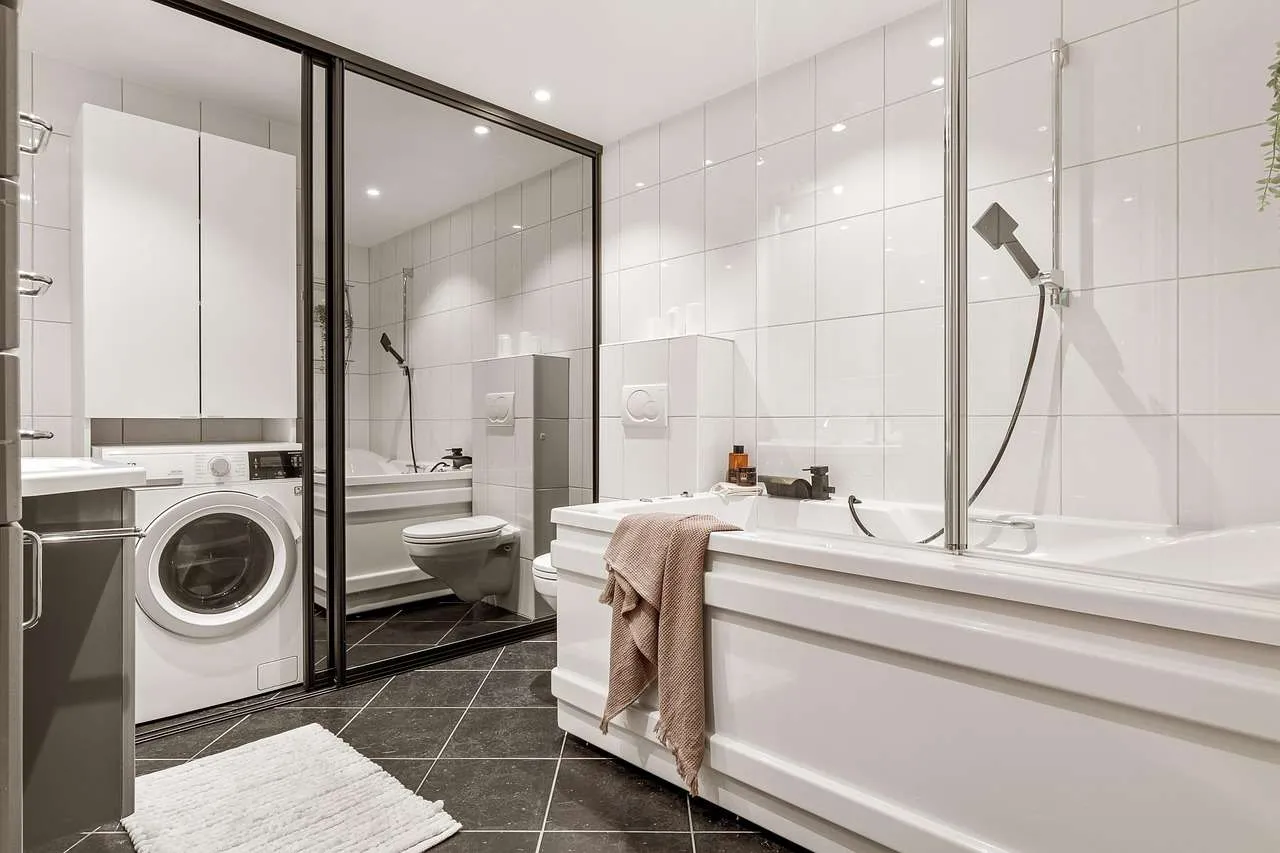
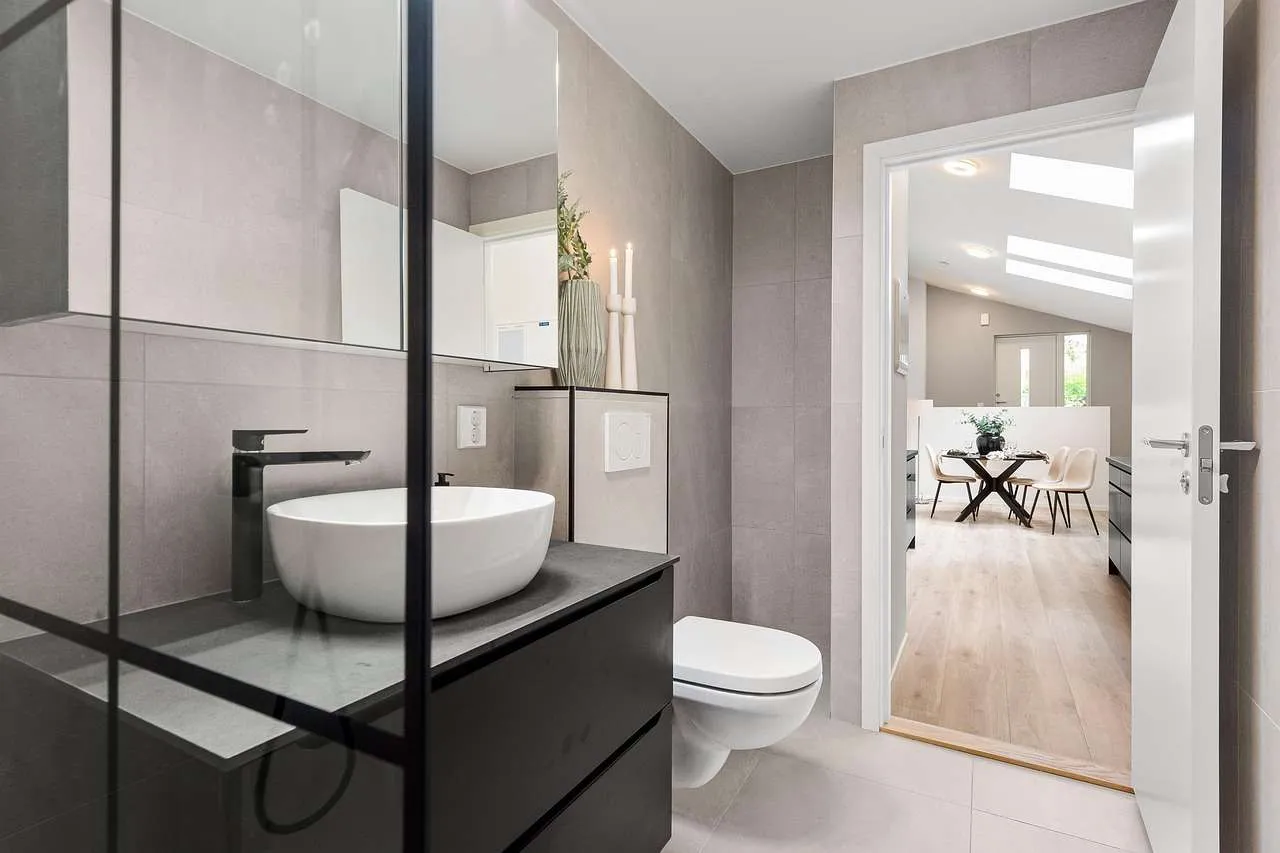
Tile layouts shape the perception of space as much as color. Subway tiles in a stacked or offset pattern create a classic look for walls, while large-format porcelain tiles on floors can make a small bathroom feel more expansive. Consider a herringbone or chevron pattern to add movement, or a mosaic accent band to highlight shower niches or vanities. Neutral base colors (beige, gray, or off-white) pair well with bold grout choices or contrasting trims to personalize the space. If lighting is limited, lighter tiles reflect more light and can dramatically brighten the room.
Maintenance, installation, and longevity
Proper substrate preparation, waterproofing, and professional installation are critical for longevity in damp spaces. For natural stone, sealing the tile and grout protects against staining. For porcelain and ceramic, choose compatible grouts and sealants based on whether the area is a shower enclosure or a dry zone. Clean with pH-balanced cleaners and avoid acidic products that can wear down grout over time. Regular maintenance—wiping down surfaces after use, re-sealing stone as recommended, and addressing grout discoloration promptly—extends tile life and preserves appearance.
Cost considerations and sustainability
Tile costs vary by material, size, and complexity of installation. Ceramic and basic porcelain options are typically more budget-friendly, while large-format porcelain and natural stone carry higher upfront costs due to material and labor. Consider long-term maintenance costs when choosing materials: stone may require more sealing and care, whereas porcelain demands fewer upkeep interventions. For sustainability, look for tiles with low VOC adhesives, regional manufacturing to reduce transport emissions, and durable products designed to last decades. A professional installer can advise on waterproofing systems and warranty coverage, contributing to a trustworthy and safe installation.
Conclusion
Conclusion, selecting the right bathroom tiles blends function with style. Start by assessing moisture and safety needs, then choose materials aligned with your budget and maintenance preferences. Plan layouts that maximize space and light, and pair tiles with durable grouts and proper sealing. Hire a licensed installer to ensure correct substrate prep, waterproofing, and longevity. With thoughtful material choices and careful installation, bathroom tiles deliver enduring beauty and resilience for years to come.